
Chronic diseases account for the majority of global health-related deaths each year. Data from the World Health Organization shows that conditions such as heart disease, diabetes, and cancer are strongly influenced by lifestyle, environmental exposure, and delayed intervention. Many people still approach healthcare only after symptoms appear, even though preventive monitoring can identify potential risks years earlier.
One reason long-term health planning often fails is the lack of a structured strategy. Many adults schedule annual physicals but rarely track changes in sleep, inflammation, cardiovascular performance, hormone balance, or metabolic markers over time. Preventive models connected to physician-guided longevity care are increasingly being discussed as a way to create more personalized and measurable wellness planning instead of relying solely on reactive treatment.
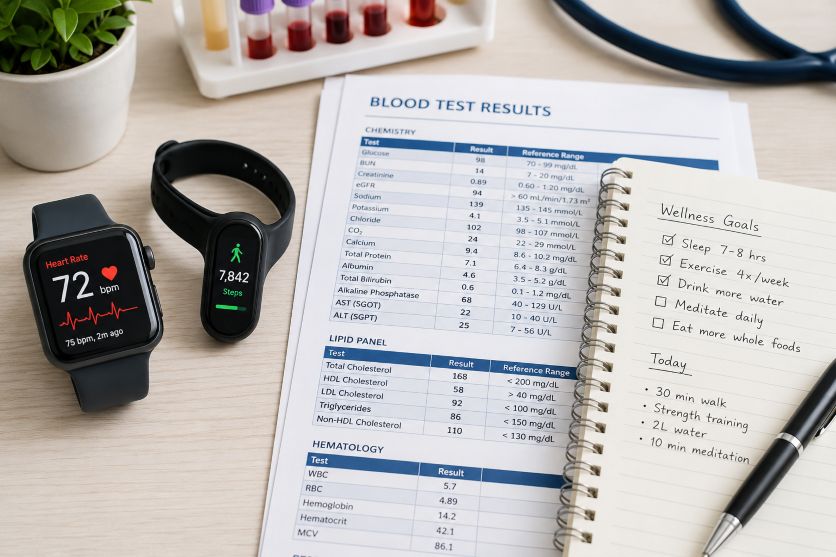
Why Long-Term Wellness Planning Often Breaks Down
Short-term motivation can be strong after a health scare or medical diagnosis. The challenge comes later. Daily responsibilities, inconsistent habits, and unclear goals often make wellness routines difficult to maintain.
Research published by the Centers for Disease Control and Prevention indicates that many chronic illnesses develop gradually through years of unmanaged risk factors. High blood pressure, insulin resistance, poor sleep quality, and chronic stress may remain unnoticed until symptoms become severe enough to interrupt daily life.
General checkups are useful for identifying immediate concerns, but they may not always provide detailed trend analysis over long periods. A person might receive normal lab results one year while subtle declines continue unnoticed in areas like cardiovascular fitness, inflammatory response, or recovery capacity.
Experts note that preventive care becomes more effective when individuals monitor health patterns consistently rather than treating each appointment as an isolated event.
Step 1: Establish a Clear Health Baseline
Every long-term wellness strategy begins with understanding the current state of health. A baseline provides measurable starting points that can later be compared against future changes.
Baseline assessments may include:
- Blood pressure and resting heart rate
- Blood glucose and insulin levels
- Cholesterol and lipid profiles
- Body composition measurements
- Sleep quality tracking
- Inflammatory markers
- Hormonal health assessments
- Fitness and mobility evaluations
Data from the American Heart Association suggests that regular cardiovascular monitoring can significantly improve early detection of long-term disease risks. Similar findings from the National Institutes of Health show that metabolic trends often reveal problems before symptoms become obvious.
The purpose of collecting baseline information is not to create anxiety. The goal is to provide context. Trends over time are often more valuable than single measurements taken once per year.
Step 2: Identify Risk Factors Early
Preventive care works best when risk factors are recognized before they develop into major conditions. Family history, lifestyle habits, occupation, stress exposure, and sleep quality all influence long-term wellness outcomes.
Someone with a family history of diabetes may benefit from closer metabolic monitoring even when current blood sugar levels appear normal. Another person dealing with chronic stress and poor sleep may need more attention on cardiovascular recovery and nervous system regulation.
Research from Harvard Medical School highlights the relationship between chronic stress and long-term inflammation. Persistent inflammation has been associated with cardiovascular disease, cognitive decline, and immune dysfunction.
Early identification allows individuals to adjust habits gradually rather than responding to emergencies later. Small changes maintained consistently tend to be more sustainable than aggressive short-term health plans.
Step 3: Build Sustainable Wellness Goals
Many wellness plans fail because the goals are unrealistic. Extreme dieting, excessive exercise schedules, and rigid routines often become difficult to maintain over time.
Preventive health strategies usually work better when goals are practical and measurable. Sustainable wellness goals may include:
- Walking 30 minutes five days per week
- Reducing processed food intake gradually
- Improving sleep consistency
- Strength training twice weekly
- Monitoring stress through mindfulness or therapy
- Scheduling routine preventive screenings
The Mayo Clinic notes that gradual habit formation tends to produce more stable long-term results than sudden lifestyle overhauls. Consistency matters more than perfection.
Wellness goals should also evolve with age and changing circumstances. Strategies that work during one stage of life may require adjustment later due to work demands, hormonal changes, injuries, or family responsibilities.
Step 4: Track Health Markers Over Time
Long-term wellness planning depends heavily on tracking progress. Many people rely on weight alone to judge health improvements, but broader monitoring often provides a clearer picture.
Useful markers to follow over time include:
- Energy levels
- Recovery after exercise
- Sleep duration and quality
- Blood pressure trends
- Bloodwork changes
- Mental focus and mood
- Mobility and strength
- Cardiovascular endurance
Wearable technology and digital health tools have made personal monitoring more accessible. Reports from Stanford Medicine suggest that continuous tracking can help identify behavioral patterns linked to health improvement or decline.
Still, raw data alone is rarely enough. Interpretation matters. Health information must be viewed within the context of medical history, lifestyle, and individual risk exposure.
Step 5: Understand How Preventive Longevity Care Differs From Standard Annual Checkups
Annual physical exams remain an important part of healthcare. They help identify immediate medical concerns and maintain routine screenings. Preventive longevity-focused care typically takes a broader and more continuous approach.
Traditional annual checkups often focus on current symptoms, standard lab work, and general wellness advice. Preventive longevity strategies may place greater emphasis on trend analysis, deeper biomarker interpretation, and individualized risk management.
Experts from the Cleveland Clinic explain that preventive medicine increasingly relies on personalized data to support earlier intervention and lifestyle modification. Instead of waiting for disease progression, the focus shifts toward maintaining function and resilience over time.
This approach may include:
- Expanded biomarker analysis
- More frequent health monitoring
- Personalized nutrition and recovery planning
- Sleep and stress assessments
- Functional movement evaluations
- Long-term cardiovascular and metabolic tracking
The objective is not necessarily extending lifespan alone. Many preventive care discussions now focus on improving healthspan, which refers to the years spent maintaining physical and cognitive function.
Step 6: Adapt the Strategy Over Time
Long-term wellness plans should remain flexible. Health priorities change with age, work schedules, family obligations, and medical history.
A person recovering from burnout may initially focus on sleep quality and stress reduction. Later, the emphasis may shift toward muscle preservation, mobility, or cardiovascular performance. Mental wellness also plays a major role in preventive health planning, especially as stress and emotional fatigue can affect long-term physical outcomes. Resources focused on understanding common misconceptions about psychiatric care can help individuals better understand how emotional and psychological support fits into a broader wellness strategy.
Data from the National Institute on Aging indicates that healthy aging is strongly connected to consistent physical activity, balanced nutrition, social connection, and regular medical monitoring.
Regular reassessment also helps prevent discouragement. Progress is rarely linear. Temporary setbacks, changing routines, or periods of stress are common parts of long-term health management.
Maintaining Consistency Without Obsession
Preventive wellness planning should support daily life rather than dominate it. Constant health tracking without balance can create unnecessary stress and unrealistic expectations.
Experts often recommend focusing on sustainable routines instead of chasing perfect numbers. Better sleep habits, regular movement, improved nutrition, and stress management usually create stronger long-term outcomes than extreme interventions.
Building a successful preventive care strategy requires patience. Many meaningful improvements develop gradually over years rather than weeks. Small actions repeated consistently tend to have the greatest long-term impact.
Long-term wellness planning continues to evolve as healthcare shifts toward earlier intervention and personalized monitoring. People who establish baseline metrics, track changes thoughtfully, and adjust their strategies over time are often better prepared to maintain health, resilience, and quality of life as they age.